Caesars Entertainment Expands Partnership with Wabanaki Nations to Launch Online Casinos in Maine

Caesars Entertainment has broadened its long-term collaboration with three Wabanaki Nations including the Houlton Band of Maliseet Indians, the Mi’kmaq Nation, and the Penobscot Nation to encompass online casino operations across Maine, building directly on an established sports wagering framework that already operates under the same tribal partnerships.
The announcement, dated around June 2026, positions the group to introduce iGaming platforms once state regulators complete their review processes, with an anticipated launch window later that year according to the official statement released through BusinessWire.
Existing Sports Wagering Foundation Supports New iGaming Plans
Observers note that the current agreement extends a prior arrangement focused on sports betting, which allowed the partners to test market dynamics and establish operational protocols in Maine while the three nations maintain oversight roles consistent with tribal gaming compacts. This phased approach lets Caesars leverage existing infrastructure rather than starting from scratch for the digital casino component, and data from similar expansions in other states shows such incremental rollouts can streamline compliance checks.
Under the updated terms Caesars intends to debut three distinct online brands: Caesars Palace Online Casino, Caesars Sportsbook & Casino, and Horseshoe Online Casino, each tailored to different player segments while operating under the shared tribal partnership umbrella.
Regulatory Path and 2026 Timeline
State approvals remain the key gating factor before any iGaming services go live, with the Maine Gambling Control Unit expected to evaluate licensing, consumer protections, and revenue-sharing mechanisms that align with existing tribal agreements. Researchers tracking U.S. tribal gaming have documented how states with prior sports betting legalization often accelerate iGaming reviews once initial frameworks prove stable, though each jurisdiction sets its own pace.
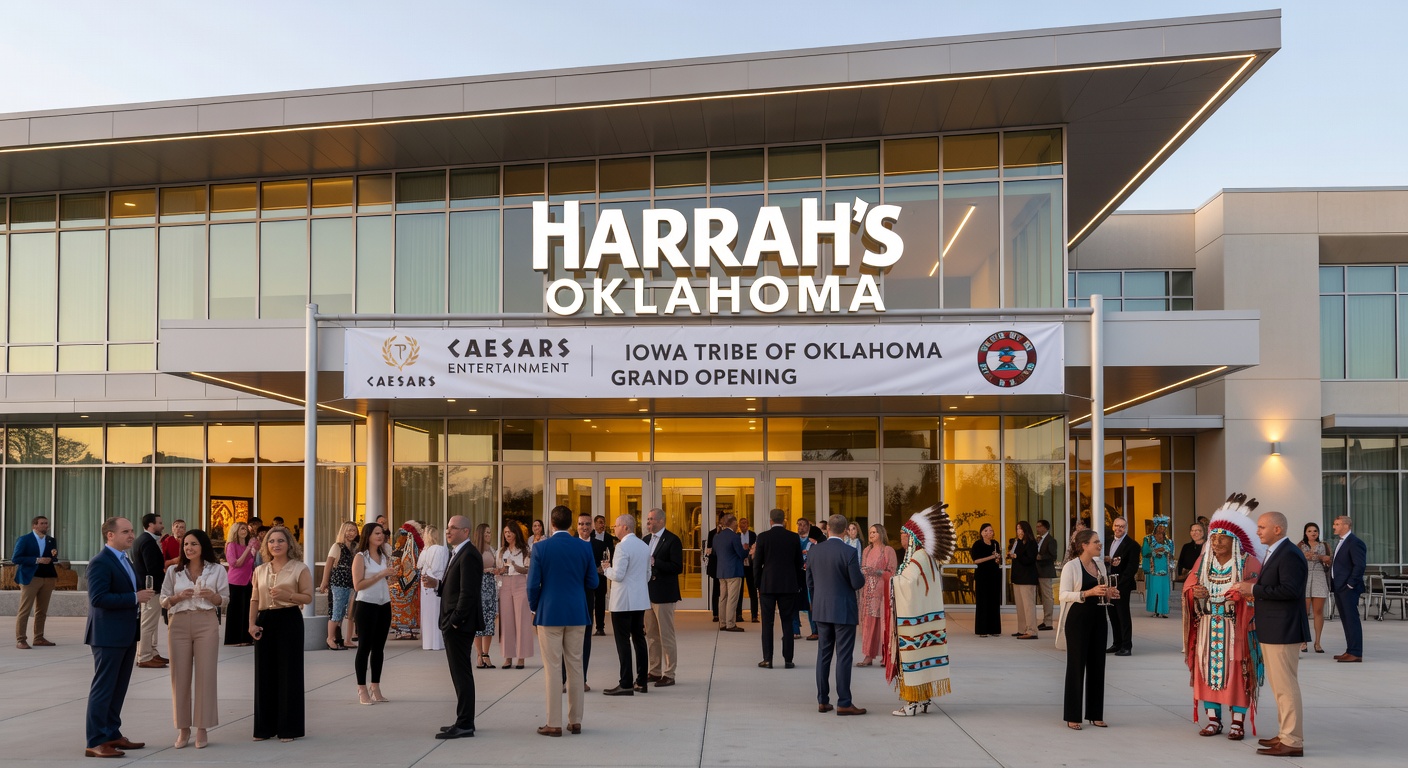
June 2026 marks the formal expansion disclosure, giving regulators and operators several months to finalize technical standards and responsible gaming measures before the projected debut. Those who have followed similar market entries note that staggered launches help address potential system capacity questions early while allowing tribes to monitor revenue flows from both retail and digital channels.
Brand Portfolio and Market Positioning
The three brands selected for Maine reflect Caesars’ multi-tier strategy seen in other regulated markets, where flagship names target high-engagement users while the sportsbook-integrated option captures crossover bettors moving between sports and casino games. Industry reports from the American Gaming Association indicate that players often migrate between product verticals when operators present unified loyalty programs, which Caesars already maintains across its national network.
Partnership structures like this one allocate a portion of iGaming revenue to the participating nations, mirroring the sports wagering model already in place and providing the tribes with diversified income streams beyond physical casino properties. Canadian regulatory analyses of Indigenous gaming partnerships have similarly highlighted how digital expansions create additional economic levers for First Nations communities when aligned with provincial or state oversight.
Broader Context for Tribal Online Gaming
States that authorize iGaming frequently require partnerships between operators and tribal entities when land-based exclusivity rights exist, and Maine follows this pattern by routing the new digital offerings through the established Wabanaki agreements. Evidence from the National Indian Gaming Commission shows tribal participation in online platforms has grown steadily since 2020 in jurisdictions that updated their compacts to include internet gaming provisions.
Operational details such as geofencing, age verification, and payment processing will follow Maine’s forthcoming iGaming regulations, which remain under development but are expected to reference standards already applied to sports betting. One study released by the University of Nevada’s International Gaming Institute found that clear regulatory alignment between tribal and state agencies correlates with faster market maturation and reduced compliance friction.
Conclusion
The expanded relationship between Caesars Entertainment and the three Wabanaki Nations sets the stage for Maine’s first regulated online casino offerings, contingent on approvals that could arrive before the end of 2026. This development extends an existing sports wagering partnership into the iGaming space while introducing three branded platforms under a unified tribal framework. As regulatory reviews proceed, the arrangement offers a concrete example of how established tribal-operator collaborations adapt to digital channels, providing measurable revenue pathways for the nations involved once the market opens.