Exploring Incentive Structures in Modern Gaming: Connecting Progressive Slots to Live Tables via Targeted Rewards
Eden Peters · Aug 20, 2026
Exploring Incentive Structures in Modern Gaming: Connecting Progressive Slots to Live Tables via Targeted Rewards
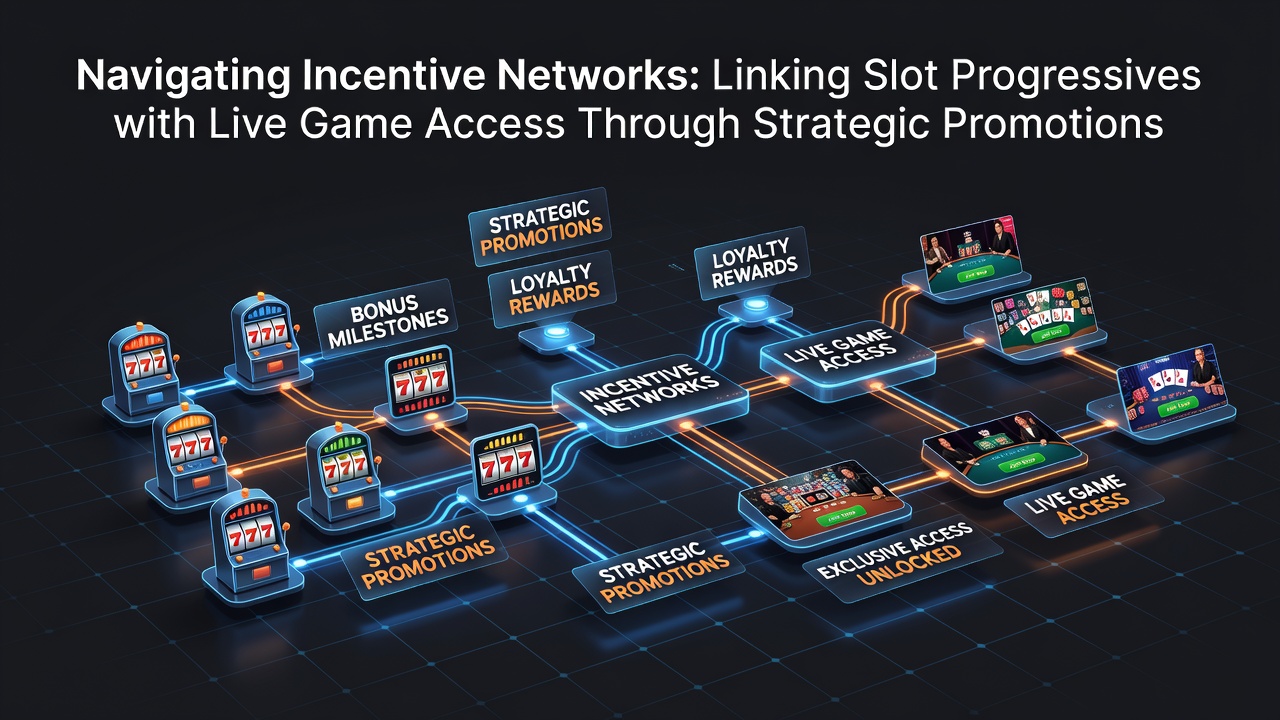
Industry analysts track how operators build layered reward systems that move players between progressive slot accumulators and live dealer environments, and these networks rely on coordinated promotions that convert reel-based progress into table access credits. Data from multiple jurisdictions shows operators allocate bonus pools to bridge the two formats, which allows accumulated slot contributions to unlock live game buy-ins or elevated table limits within the same loyalty framework.
Core Mechanics of Cross-Format Incentive Chains
Operators structure promotions so that a percentage of progressive slot wagers feeds a secondary pool, and that pool converts into live game vouchers once players reach defined thresholds. Figures from regional gaming reports indicate conversion rates often range between 15 and 30 percent of accumulated slot value, depending on tier status and promotional calendar. Those who study player behavior patterns note that such linkages increase session continuity because participants move directly from spinning reels to seated dealer interactions without separate funding steps.
Strategic promotions frequently appear as tiered multipliers, where higher loyalty levels grant faster conversion ratios, and these multipliers apply automatically when a player switches formats mid-session. August 2026 data compilations from North American and European operators reveal that programs incorporating automatic format bridging record higher average daily active users compared with programs that treat slots and tables as isolated verticals.
Role of Promotional Timing and Eligibility Rules
Timing plays a measurable role because limited-time windows encourage players to complete the transition before bonuses expire. Eligibility rules typically require a minimum number of qualifying slot spins within a rolling period, after which the system releases live game credits that carry their own play-through conditions. Researchers examining transaction logs find that shorter eligibility windows, typically 24 to 72 hours, correlate with quicker movement across formats, whereas longer windows allow more gradual accumulation but produce lower immediate crossover rates.
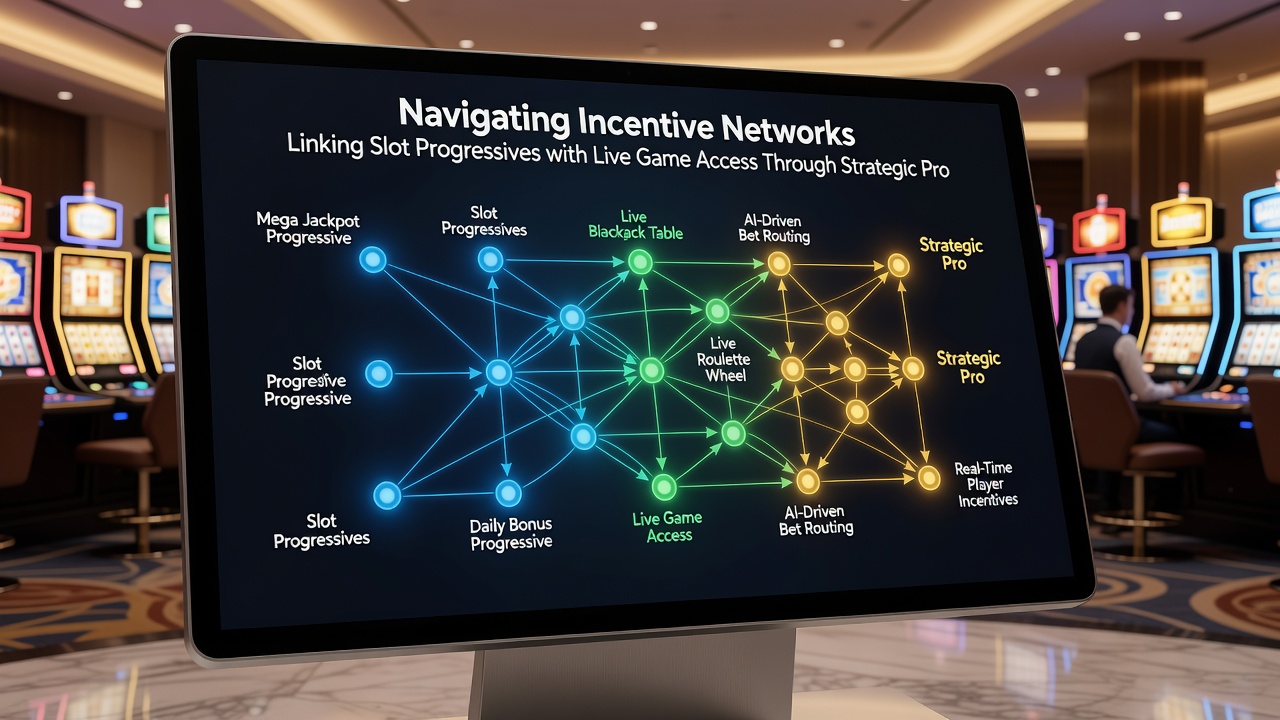
Operators also embed daily or weekly challenges that reward incremental progress, and these challenges often combine slot activity with live table milestones to prevent fragmentation of play. One documented approach uses cumulative point systems where slot contributions earn base points while live sessions earn bonus multipliers, thereby creating an incentive loop that rewards continued engagement across both environments.
Regional Regulatory Influences on Network Design
Regulatory frameworks shape how these networks operate because different jurisdictions impose varying restrictions on bonus conversion and cross-format play. Australian state regulators require clear disclosure of conversion ratios before players begin accumulating rewards, whereas several Canadian provinces focus on audit trails that verify fair distribution of pooled funds between slot adn table segments. Industry associations such as the American Gaming Association publish periodic summaries that compare these approaches, and the summaries help operators adjust network parameters to maintain compliance while preserving promotional appeal.
European Union member states apply consumer-protection directives that mandate separate tracking of promotional funds, which forces operators to maintain distinct ledgers for slot-derived and live-derived rewards. Observers note that these requirements increase administrative overhead yet also produce more transparent player statements that detail exactly how slot progress translates into live access opportunities.
Technical Infrastructure Supporting Seamless Transitions
Backend systems integrate player accounts so that progressive contributions register in real time and trigger live game eligibility flags without manual intervention. Payment gateways and loyalty platforms exchange data through standardized APIs, which reduces latency when a player elects to move from a slot machine to a live dealer table. Reports from technology vendors indicate that platforms supporting instantaneous balance updates achieve higher retention figures because players encounter fewer friction points during format switches.
Security protocols require encryption of all transaction data linked to incentive pools, and regular third-party audits verify that conversion algorithms function as advertised. These audits also confirm that progressive contributions allocated to live access do not exceed regulatory caps on promotional liability.
Conclusion
Networks that link slot progressives with live game access through coordinated promotions continue to evolve as operators refine conversion mechanics and regulatory environments set clearer boundaries. Available data from August 2026 and earlier periods shows measurable effects on player movement patterns, session duration, and format crossover frequency. Operators who maintain transparent rules, robust technical linkages, and compliant fund management practices sustain these networks while meeting jurisdictional requirements across multiple regions.