Harrah’s Oklahoma Opens Doors: Caesars Entertainment and Iowa Tribe Launch $40 Million Casino in Chandler

The Ribbon-Cutting Moment in Chandler
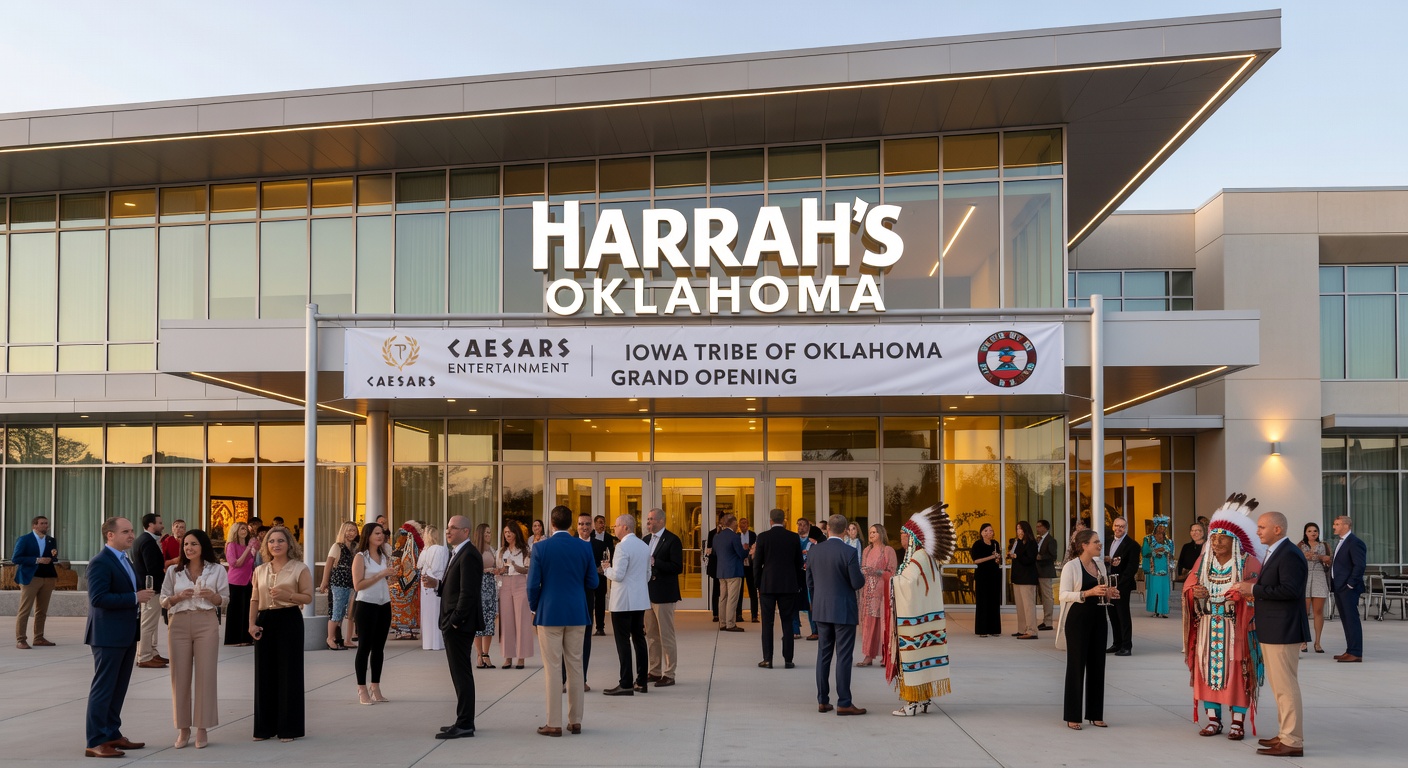
Caesars Entertainment, in partnership with the Iowa Tribe of Oklahoma, officially opened Harrah’s Oklahoma on April 8, 2026, marking the company's first casino venture in the state; located in Chandler about 40 miles northeast of Oklahoma City, this $40 million project replaces the tribe's smaller Ioway Casino and brings a fresh gaming destination to the region. Crowds gathered as tribal leaders and Caesars executives cut the ribbon, signaling nearly three years of collaboration that started back in mid-2023 with equal financing from both sides. The 45,000-square-foot facility now stands as a hub for slots, tables, and dining, while promising over 300 new jobs for locals in Lincoln County.
Chandler, a town with roots in the land rush era, gains this boost at a time when tribal gaming continues to shape Oklahoma's economy; observers note how such openings often revitalize small communities by drawing visitors from nearby Oklahoma City and Tulsa. Data from the National Indian Gaming Commission shows tribal casinos across the U.S. generated $39 billion in gross gaming revenue last year, with Oklahoma ranking high among states thanks to its 130-plus tribal operations.
From Ioway Casino to Harrah’s: The Upgrade Story
The Iowa Tribe previously operated the Ioway Casino, a modest setup that served locals but lacked the scale for broader appeal; Harrah’s Oklahoma steps in as its direct successor, expanding capacity dramatically while carrying the Harrah’s brand known from Las Vegas to Atlantic City. Tribe members and Caesars teams worked side-by-side during construction, navigating permits and builds without major hitches, and the result packs over 1,000 slot machines into a space that's more than triple the size of its predecessor.
What's interesting here lies in the seamless transition; players who frequented the old spot now find familiar games alongside new high-limit options, and the tribe retains operational control under its gaming compact with the state. Experts who've tracked tribal partnerships point out that brands like Caesars bring marketing muscle and tech upgrades, such as player loyalty systems tied to the Caesars Rewards program, which spans dozens of properties nationwide.
Gaming Floor Breakdown: Slots, Tables, and High Stakes
Step inside Harrah’s Oklahoma, and over 1,000 slot machines greet visitors first, ranging from classic reels to modern video slots with progressive jackpots; a dedicated high-limit gaming room caters to serious players seeking bigger bets and payouts, while a dozen live dealer table games—including blackjack, roulette, and craps—offer that human touch amid the electronic buzz. Restaurants and bars round out the experience, serving up everything from quick bites to full meals, and keeping guests on-site longer than the old casino ever could.
And the layout flows smartly too; wide aisles between machines prevent crowds, lighting highlights hot games, and digital signage pushes promotions without overwhelming the vibe. Those who've studied casino design note how this setup mirrors successful Harrah’s properties elsewhere, blending tribal hospitality with corporate polish to maximize playtime and revenue.
Job Creation and Local Ripple Effects
Over 300 jobs emerge from this opening, from dealers and slot techs to cooks and security, with many hires coming straight from Chandler and surrounding areas; training programs run by Caesars ensured staff hit the ground running on day one, and the tribe emphasizes hiring its members where possible. Lincoln County's unemployment dipped slightly in recent months, and figures from the American Gaming Association indicate gaming venues like this pump millions into local economies through wages, taxes, and vendor spend—Oklahoma tribes alone contributed $2.3 billion in such impacts last year.
But here's the thing with small-town casinos; they don't just fill positions, they spark secondary growth like new housing or shops, as workers settle in and visitors fuel nearby businesses. Take one observer who followed a similar launch in rural Kansas: traffic rose 25% on local roads within months, mirroring patterns experts predict for Highway 66 near Chandler.
Behind the Scenes: Three Years of Partnership
The deal kicked off in 2023 when Caesars eyed Oklahoma's untapped potential beyond its existing footprint; the Iowa Tribe, with its 700-acre tract in Lincoln County, brought federal trust land primed for gaming under the Indian Gaming Regulatory Act. Equal $20 million investments from each party covered everything from groundbreaking to grand opening, sidestepping debt and aligning interests long-term.
Challenges arose, sure—like supply chain delays from post-pandemic kinks—but teams adapted by sourcing locally where possible, and state regulators greenlit operations smoothly under the tribe's Class III compact. Now operational, Harrah’s Oklahoma joins Oklahoma's gaming landscape, where tribes operate without state lotteries or commercial casinos dominating the mix.
Turns out, this model's worked before; Caesars runs tribal spots in Washington and elsewhere, blending its expertise with sovereign operations, and data reveals such joints often outperform independents by 15-20% in first-year revenue thanks to national draw.
Expansion on the Horizon: Hotel and Beyond
Plans don't stop at slots and steaks; a 200-room hotel looms as the next phase, potentially breaking ground by late 2026 if demand holds, complete with pools, spas, and event space to lure conventions from OKC. The tribe's vision extends further too, whispering of RV parks or entertainment venues, all while keeping the Harrah’s flag flying high.
People who've watched these builds unfold know expansions hinge on year-one numbers, but early crowds suggest strong traction; weekend warriors from the metro already pack the lots, and loyalty apps track repeat visits that could justify the hotel push. It's noteworthy that Oklahoma's tribal compacts allow such growth without yearly renewals, giving partners stability rare in commercial gaming states.
Broader Context in Tribal Gaming Trends
Oklahoma boasts one of the densest tribal gaming maps in America, with facilities dotting the state from panhandle to panhandle; Harrah’s fits right in, yet stands out with its national brand amid mostly local names. Research from industry trackers shows tribal revenues climbing 8% annually post-2023, fueled by renovated floors like this one and tech like cashless wagering.
Yet competition sharpens too; nearby spots in Stroud or Wellston now eye upgrades, but Chandler's location off I-44 positions Harrah’s for highway traffic that others envy. One study highlighted how branded tribal casinos retain players 30% longer via apps and rewards, a edge the Iowa Tribe now wields.
So as April 2026 unfolds, this opening ripples outward, drawing national eyes to Oklahoma's gaming heartland where tribes and operators craft the future one machine at a time.
Looking Ahead
Harrah’s Oklahoma sets a template for what's next in tribal partnerships, with its mix of jobs, games, and growth potential anchoring Chandler for years; the Iowa Tribe and Caesars now turn focus to operations, monitoring metrics that could unlock that hotel sooner than expected. Observers keep watch, knowing these launches often herald waves of investment across the Sooner State, blending culture, commerce, and chance in ways that define modern tribal gaming.