How Varied Funding Solutions Support Bonus Integration Between Reel Machines and Interactive Dealer Formats Within Advancement Programs
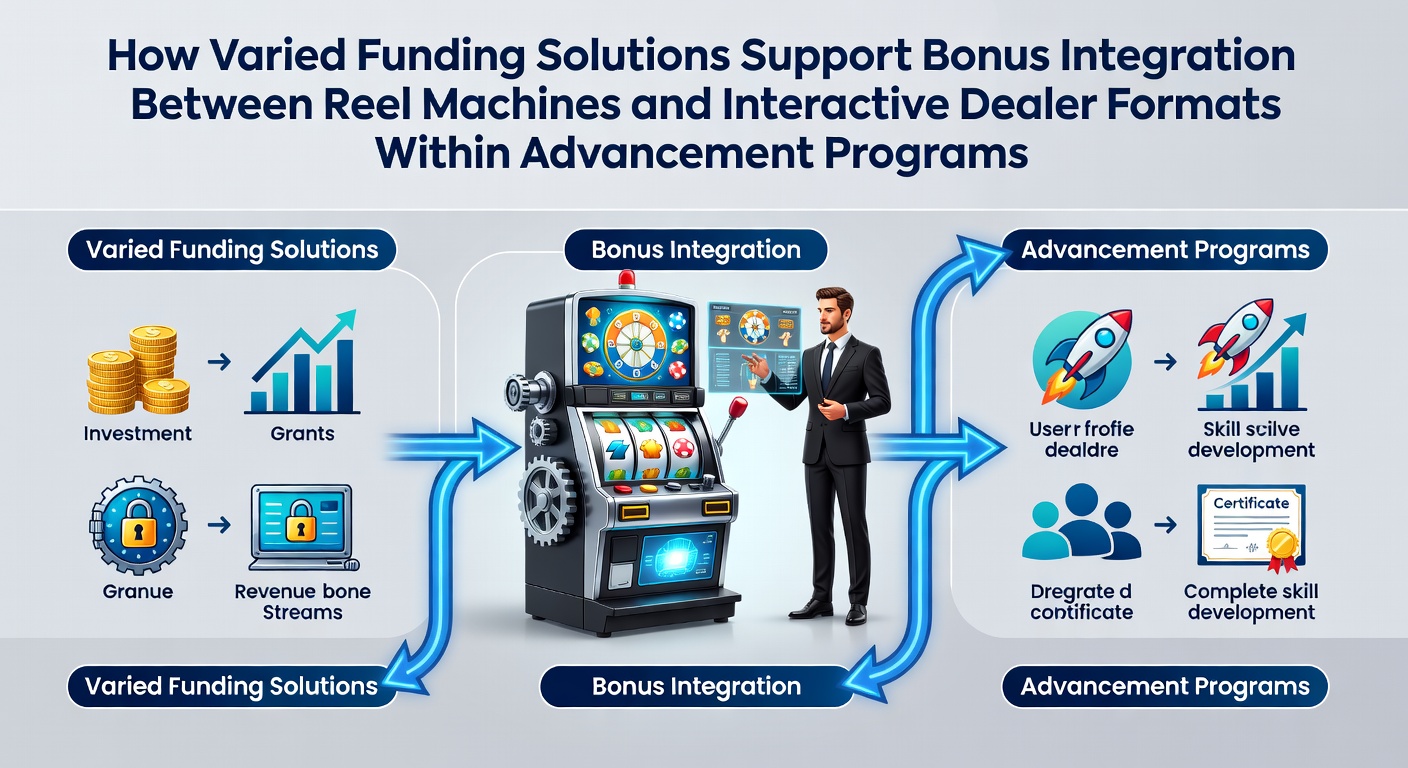
Varied funding solutions enable the transfer of bonuses across reel machines and interactive dealer formats by providing multiple deposit and withdrawal pathways that align with player advancement programs in regulated gaming environments, and these mechanisms operate through integrated payment systems that track progress across both game types according to industry reports from the American Gaming Association.
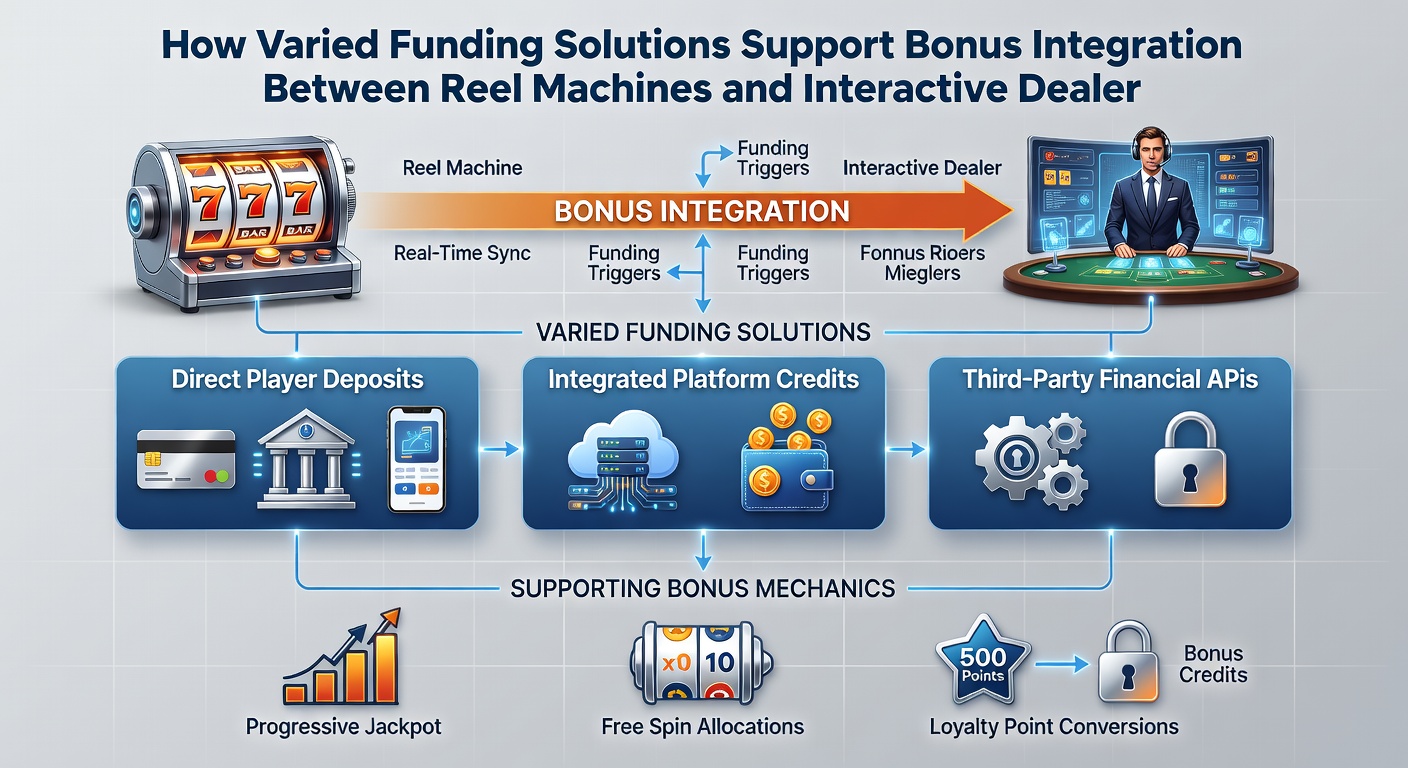
Payment gateways process transactions from credit cards, e-wallets, bank transfers, and digital currencies while maintaining records that link activity on reel machines to live dealer sessions, which allows operators to apply tiered bonuses consistently within loyalty structures that reward cumulative play.
Payment Methods and Their Role in Cross-Format Transfers
Traditional bank transfers support larger deposits that often qualify players for initial bonuses on reel machines, and these funds carry forward into interactive dealer formats when advancement criteria such as total wagered amounts are met because the systems synchronize account balances in real time. E-wallet services accelerate the process by enabling instant transfers that maintain bonus eligibility across both formats, whereas cryptocurrency options provide additional anonymity features that appeal to players advancing through high-stakes live dealer tables after starting on slots.
Data from the Nevada Gaming Control Board indicates that multi-channel funding increases participation rates in hybrid advancement programs by allowing seamless movement between game categories without resetting progress trackers. Operators configure these solutions to apply percentage-based matches or fixed credits that function identically whether a player spins reels or participates in dealer-led games, and this consistency strengthens retention within structured reward tracks.
Integration Mechanics Within Advancement Programs
Advancement programs calculate points from reel machine activity and convert them into credits usable at interactive dealer tables through backend software that recognizes funding sources and applies corresponding multipliers. For instance, deposits made via certain e-wallets trigger enhanced point accumulation rates that carry over when a player shifts formats, which maintains momentum in tier progression without interruption.
Researchers at the University of Nevada, Reno have documented how these integrations rely on unified player databases that log every transaction type alongside game selections, and the resulting data sets reveal patterns where diversified funding correlates with higher completion rates for program milestones. When players use multiple methods in sequence, the systems automatically adjust bonus allocations to prevent duplication while preserving value across reel and dealer experiences.
Regulatory Context and Recent Developments
Regulatory frameworks in multiple jurisdictions require transparent tracking of all funding sources to ensure bonuses integrate properly between formats, and compliance standards emphasize audit trails that cover both reel and interactive dealer segments. In May 2026, ongoing platform updates continue to refine these capabilities as operators adapt to evolving player behaviors in hybrid environments.
Industry organizations such as the Canadian Gaming Association note that varied funding reduces friction in advancement programs by accommodating regional preferences, which in turn supports broader participation across game types. Figures from European research institutions highlight similar trends where integrated payment solutions correlate with sustained engagement in programs that bridge slots and live dealer offerings.
Operational Examples Across Jurisdictions
One documented case involves operators in Australian markets where bank transfer deposits on reel machines unlock live dealer bonuses once players reach specific advancement levels, and the process uses automated verification that preserves eligibility regardless of subsequent game choices. Similar setups appear in North American venues, where digital currency funding accelerates point transfers between formats within loyalty frameworks that span multiple property types.
Those who analyze transaction logs observe that players utilizing at least two distinct funding methods demonstrate steadier progression through program tiers because the diversified options minimize downtime between sessions on reels and dealer tables. Software providers configure these systems to recognize and reward such patterns automatically.
Conclusion
Varied funding solutions underpin the operational success of bonus integration between reel machines and interactive dealer formats by supplying flexible transaction pathways that align with the requirements of player advancement programs, and data from regulatory bodies together with academic studies confirm that these mechanisms enhance consistency and accessibility across gaming formats in regulated markets.