Payment Gateways as the Hidden Drivers Behind Progressive Accumulations in Hybrid Gaming Formats
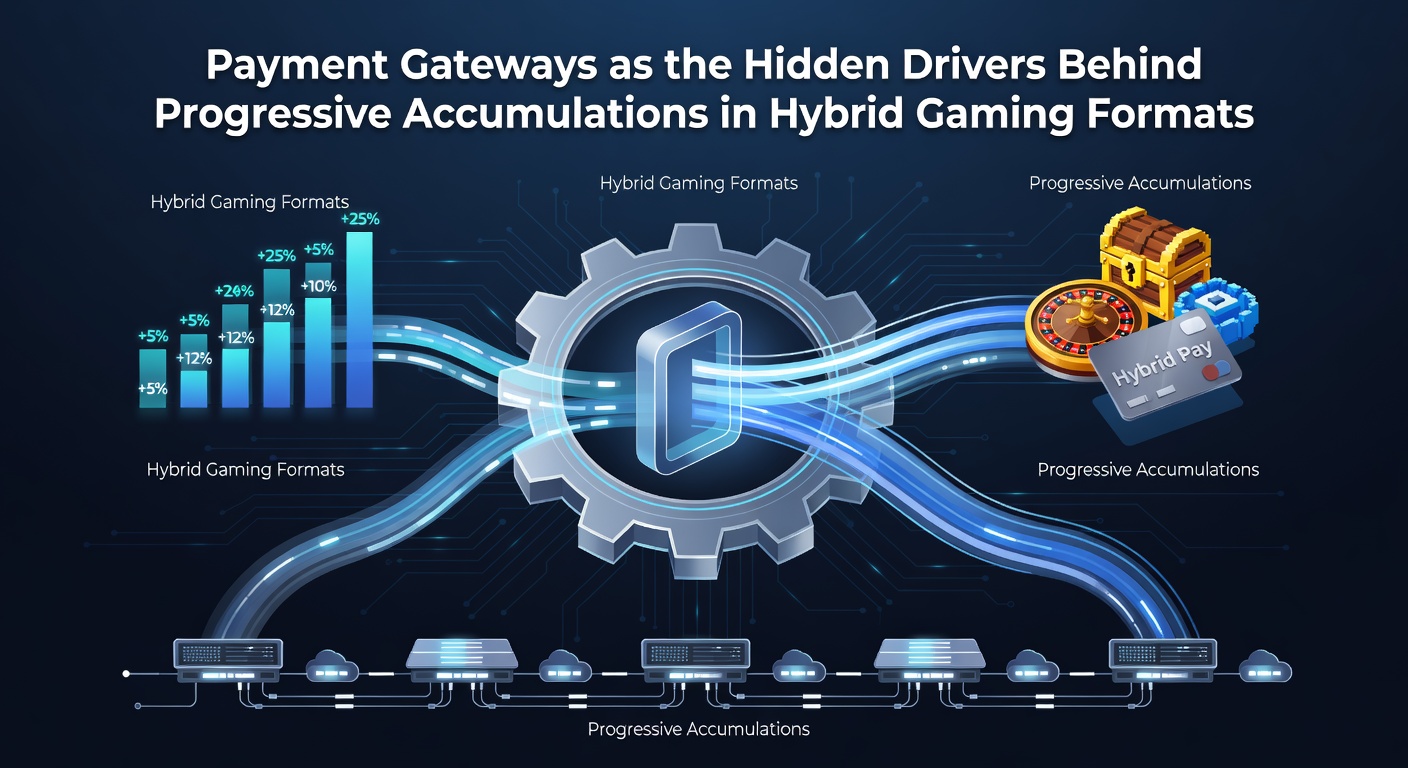 Payment gateways operate as the central nervous system for transaction flows in hybrid gaming environments where slot-based progressive elements merge with live dealer tables and interactive formats, processing every wager so that a fixed percentage routes automatically into shared prize pools that expand across multiple games and player bases. These systems handle high-volume micropayments without interruption while maintaining compliance standards that vary by jurisdiction yet allow operators to pool contributions from diverse regions into unified accumulations.
The Role of Payment Infrastructure in Progressive Growth
Observers note that modern gateways integrate directly with game servers to deduct contributions in milliseconds after each spin or hand, which means larger player volumes translate into faster pool growth without manual intervention or delays. In hybrid setups that combine digital reels with streamed table action, the same gateway session often carries both the initial bet and any side wagers that feed separate progressive meters, creating layered accumulation mechanisms that single-format games cannot replicate. Data from the Massachusetts Gaming Commission indicates transaction volumes through certified gateways rose steadily through 2025, supporting the infrastructure needed for cross-format pools that now exceed previous records in several North American markets.
Security protocols embedded in these gateways verify player funds and prevent double-spending before any portion reaches the progressive ledger, yet they also support instant reconciliation across time zones so that accumulations reflect real-time global play rather than staggered updates. Researchers have documented cases where gateway downtime of even a few minutes reduced daily contributions by measurable percentages, underscoring how these backend systems directly influence jackpot sizes that players see advertised on hybrid platforms.
Hybrid Formats and Cross-Game Pooling Mechanics
Hybrid gaming formats typically link progressive meters from video slots to live roulette or blackjack variants through a shared backend, and payment gateways serve as the conduit that tags each transaction with metadata identifying which pool receives the contribution. This tagging process allows a single deposit to support multiple accumulation streams simultaneously while operators maintain separate regulatory reporting for each game type. In May 2026 several jurisdictions plan to implement updated interoperability standards that will let gateways route funds across state lines more efficiently, potentially expanding the geographic reach of the largest hybrid progressives.
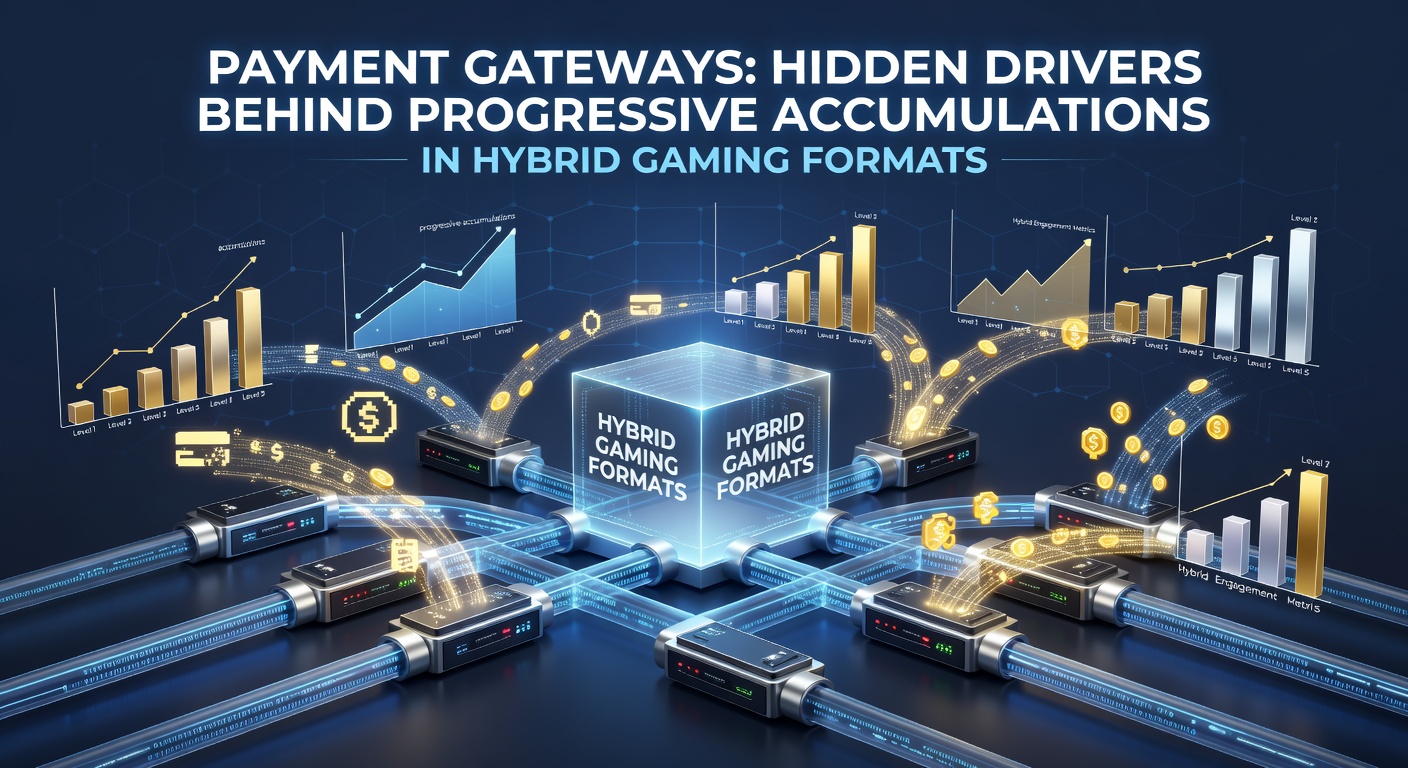
Those who have examined operator logs report that gateways equipped with real-time APIs can adjust contribution rates dynamically based on game rules or promotional campaigns without requiring code changes on the front end. This flexibility proves especially useful in formats where players move between slot progressives and table games within one account session, since the gateway maintains continuity of the progressive balance across both experiences. Industry reports from the Canadian Gaming Association highlight that operators using advanced gateway solutions recorded higher average jackpot values compared with those relying on legacy payment processors during comparable testing periods.
Regulatory and Technical Considerations Shaping Accumulation
Regulatory bodies require gateways to maintain audit trails that track every fraction of a cent contributed to progressives, which creates transparency while also imposing technical demands on data storage and retrieval speeds. In hybrid environments these trails must reconcile slot and table contributions under the same licensing umbrella, often necessitating specialized modules that only certain certified providers supply. The New Jersey Division of Gaming Enforcement publishes quarterly summaries that detail how certified gateways support compliant pooling across multiple game categories without commingling restricted funds.
Technical standards continue to evolve around encryption and tokenization methods that protect payment details during the brief window when funds move toward progressive ledgers. Observers note that gateways adopting newer protocols experience fewer chargebacks and settlement disputes, which indirectly stabilizes the financial base supporting ongoing accumulation. As more markets prepare frameworks for 2026, operators anticipate that standardized gateway certifications will reduce integration costs and allow smaller providers to participate in larger progressive networks.
Conclusion
Payment gateways function as essential yet often overlooked components that determine both the speed and scale of progressive accumulations within hybrid gaming formats. Their capacity to process, tag, and reconcile contributions across slot and table environments directly influences the size of prizes available to players worldwide. As regulatory updates take effect in May 2026 and technical standards advance further, these systems will continue shaping how operators build and maintain shared jackpot pools that span multiple game types and jurisdictions.