The Interplay Between Transaction Methods and Cross-Format Reward Transfers in Mobile Gaming Loyalty Systems
Eden Peters · Jul 20, 2026
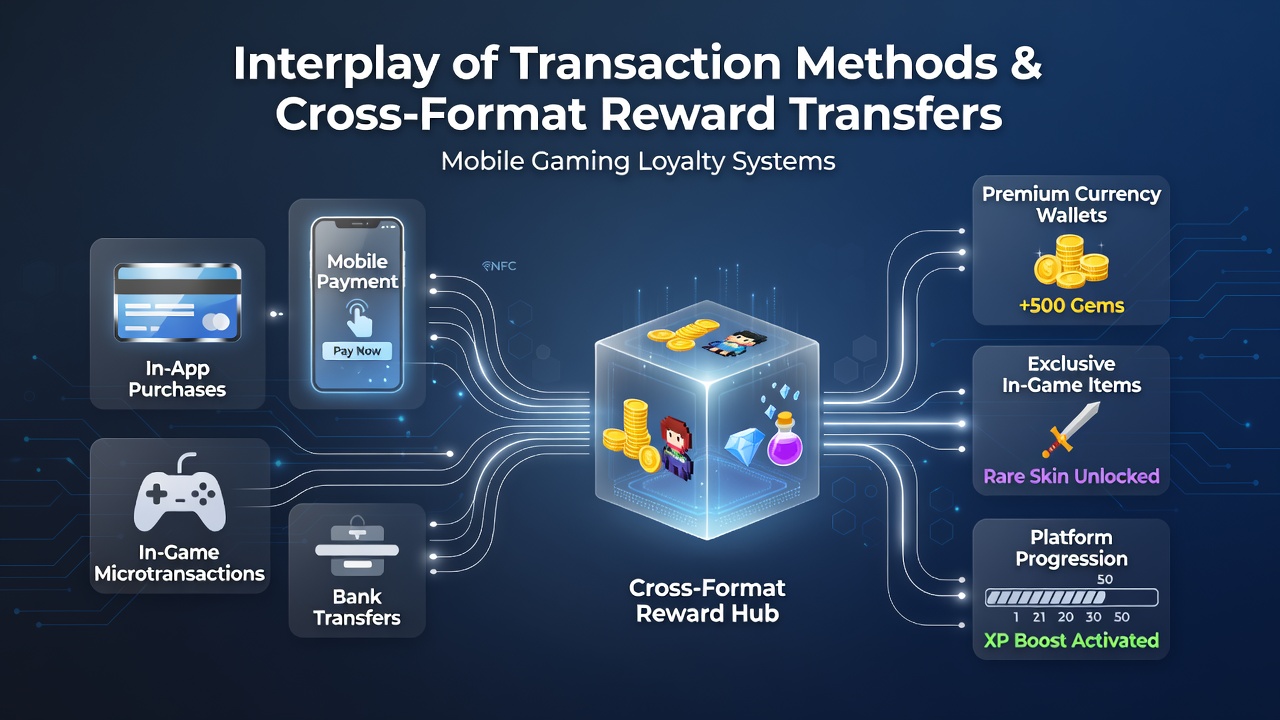
The Interplay Between Transaction Methods and Cross-Format Reward Transfers in Mobile Gaming Loyalty Systems
Mobile gaming loyalty systems rely on transaction methods that connect payment gateways directly to point accumulation and redemption processes across multiple game formats, and these connections determine how rewards move between reel-based accumulators and interactive dealer sessions within tiered player structures.
Data from industry reports indicates that electronic transfers through digital wallets now handle the majority of reward movements in hybrid environments, where players shift from portable reel encounters to elevated interactive sessions without losing accumulated progress.
Transaction Methods Driving Reward Pathways
Payment gateways integrate with loyalty frameworks by tagging each deposit or withdrawal with metadata that tracks format-specific activity, and this tagging allows systems to apply conversion rules when players move between mobile slots and live table formats. Observers note that methods such as bank transfers, e-wallets, and carrier billing create distinct data streams that loyalty engines use to calculate eligibility for cross-format bonuses.
Studies show that platforms deploying unified wallet protocols see higher rates of reward transfers because these protocols maintain a single balance view regardless of whether the session occurs on reel devices or real-time interaction venues. In July 2026 several operators updated their gateway configurations to support instant point synchronization during format switches, reducing the lag that previously interrupted player advancement tracks.
Cross-Format Reward Transfers in Practice
Loyalty systems apply multiplier tables that convert reel-based accumulators into credits usable at interactive dealer tables, and these tables factor in both transaction volume and format history to determine final award values. Researchers discovered that when electronic transfers facilitate the shift, players complete advancement tracks more consistently because the underlying data remains continuous across sessions.
Take one case where experts examined a North American operator that linked its mobile payment layer to a tiered structure allowing reel points to convert directly into live dealer buy-ins. Figures reveal that the conversion rate increased participation in higher-stakes tables by aligning reward values with the original transaction method used to fund the account.
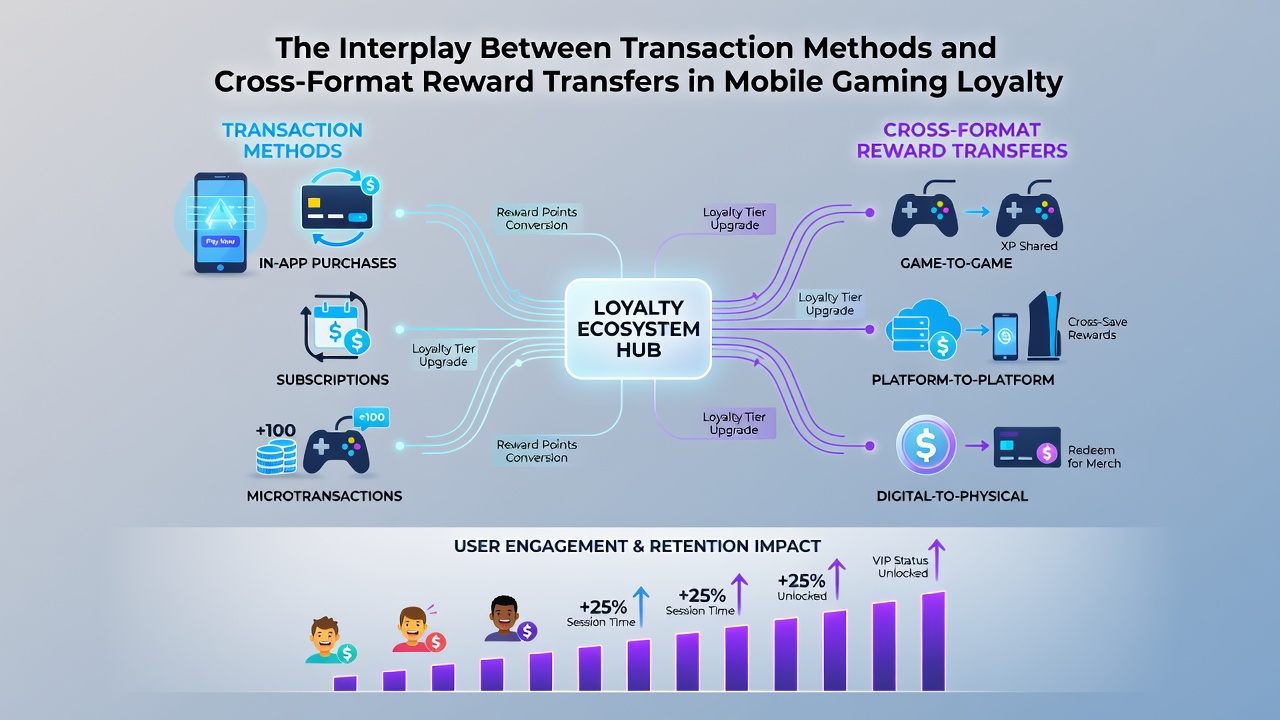
Integration Patterns Across Regions
European operators following frameworks established under the European Gaming and Betting Association guidelines have standardized reward transfer protocols that accommodate varied funding solutions while maintaining compliance with cross-border transaction rules. EGBA reports document how these standards reduce friction when players move incentives between portable reel encounters and structured live sessions.
Australian regulators under the Interactive Gambling Act have required similar metadata tagging for loyalty transfers, and this requirement has led platforms to adopt digital wallet protocols that shape reward pathways between reel-based and real-time formats. Data shows that operators complying with these rules experience smoother integration of promotional tools across mobile slot participation and live dealer table engagement within their VIP frameworks.
Technical Mechanisms Supporting Transfers
API connections between payment processors and loyalty databases enable real-time calculation of cross-format eligibility, while smart contracts in some newer systems automate the movement of points once transaction thresholds are met. Those who've studied these systems know that the choice of funding method influences both the speed and the multiplier applied during transfers from reel accumulators to interactive sessions.
Platforms that combine multiple gateways report fewer interruptions in player advancement tracks because the system can reroute through an alternate method if the primary channel experiences delays. This redundancy proves especially useful in July 2026 as more jurisdictions finalize rules for hybrid gaming formats.
Future Developments in Loyalty Architecture
Industry organizations continue to refine standards for how transaction metadata feeds into reward engines, and these refinements focus on preserving value when players transition between mobile reel devices and live dealer environments. Research from academic sources examining Canadian provincial systems highlights the role of unified ledgers in maintaining continuity across format changes.
Operators testing expanded digital wallet features expect further reductions in transfer latency, which in turn supports tighter integration of bonus structures that span both reel machines and interactive dealer formats within advancement programs.
Conclusion
The interplay between transaction methods and cross-format reward transfers continues to shape mobile gaming loyalty systems as operators refine protocols that keep points and bonuses intact across game types. Evidence from regulatory updates and platform implementations demonstrates that seamless electronic transfers now form the backbone of these frameworks, allowing consistent player progression regardless of format sequence. As additional regions adopt standardized requirements in 2026 and beyond, the mechanisms linking payment gateways to loyalty engines will determine how effectively rewards move between reel-based and interactive experiences.