Tiered Memberships Coordinating Transaction Systems with Incentive Flows Across Compact Reel Interfaces and Streamed Table Sessions
Cameron Wolf · Jul 30, 2026
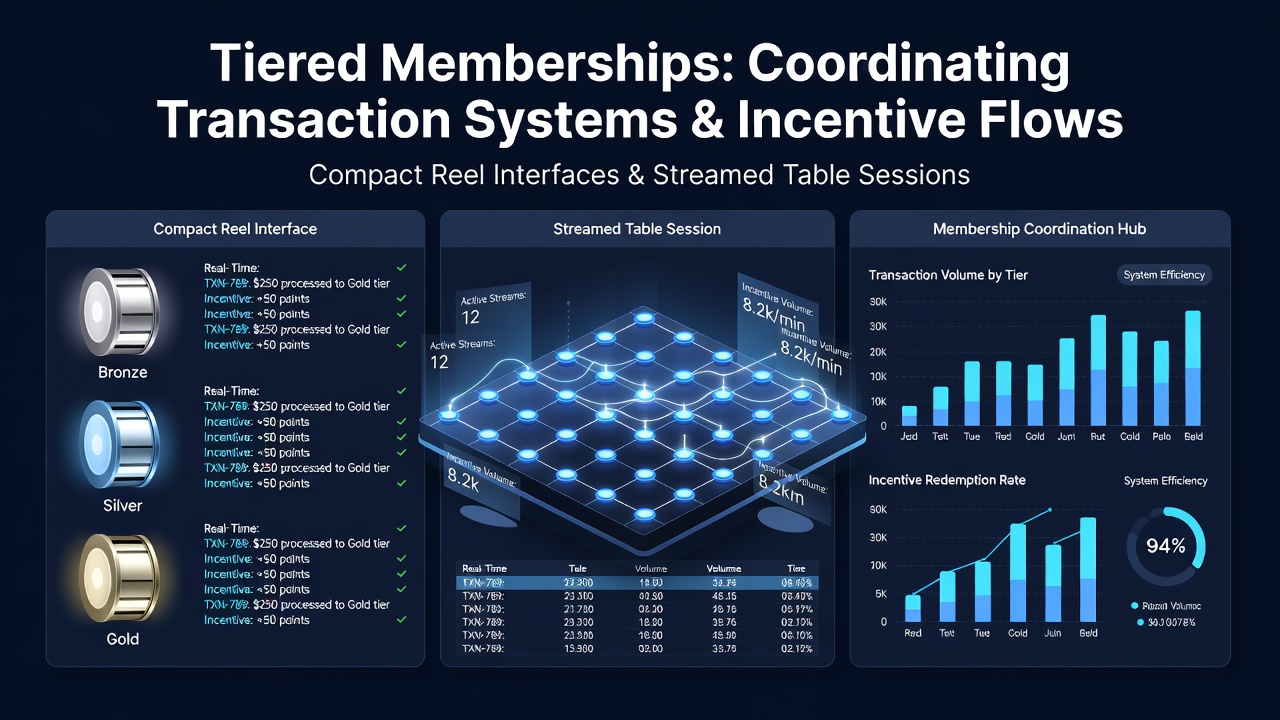
Tiered Memberships Coordinating Transaction Systems with Incentive Flows Across Compact Reel Interfaces and Streamed Table Sessions
Platform operators structure tiered memberships to link payment processing with reward distribution across mobile slot sessions and live dealer streams, creating pathways where player activity on compact reel interfaces feeds directly into table game participation. Data from industry tracking systems shows these frameworks handle point accumulation, bonus conversion, and deposit routing in unified ledgers that update in real time.
Transaction Coordination Mechanisms
Compact reel interfaces on mobile devices process wagers through digital wallets that record every spin outcome, while streamed table sessions capture bets placed during dealer interactions; tiered systems merge these records into single player profiles. Observers note that payment gateways route funds without interruption, allowing credits earned on reels to apply toward table minimums once a player reaches specific advancement thresholds. Research indicates synchronization occurs through centralized servers that verify eligibility before authorizing cross-format transfers.
Electronic transfers facilitate movement between formats by converting accumulated points into playable balances, and this process relies on predefined rules tied to membership level. Those who've examined platform architecture find that lower tiers permit basic reel-to-table shifts at fixed ratios, whereas higher tiers unlock multiplier effects that increase the value of transferred incentives. Figures from operational reports reveal that such coordination reduces friction in session transitions, keeping players engaged across both reel and table environments.
Incentive Flow Structures
Incentive pathways operate through loyalty matrices where reel-based accumulators generate points that cascade into table session rewards, and tier status determines the speed and scale of these flows. Compact interfaces contribute frequent small increments during extended play periods, while streamed tables deliver larger lump sums upon completion of rounds; the tiered framework balances these inputs by applying weighted calculations that favor consistent participation. Studies found that incentive chains bridge the two formats by converting reel points into table-side perks such as reduced rake or enhanced side-bet options.
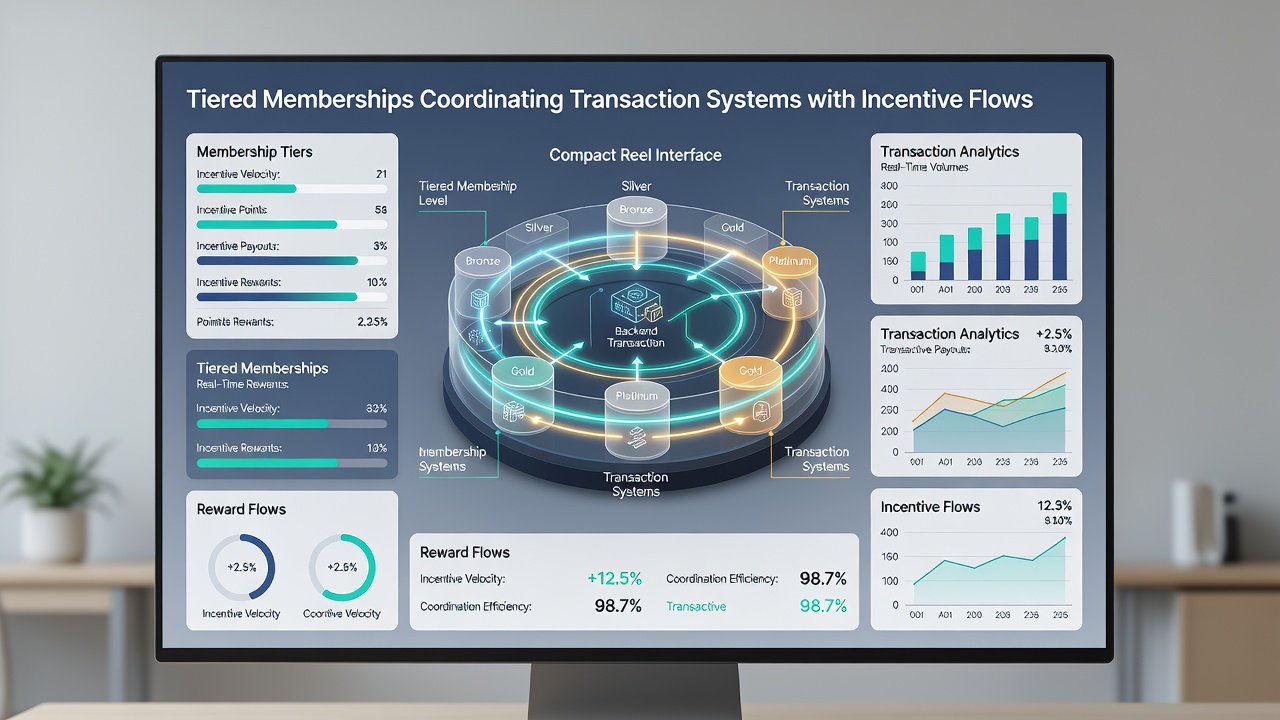
Payment protocols shape reward pathways by embedding verification steps that confirm membership tier before releasing converted balances, and this prevents mismatches between activity recorded on reels and credits applied at tables. According to teh American Gaming Association, coordinated systems of this type support player retention by maintaining visible progress across formats. What's interesting is how the architecture prevents double-counting while still allowing simultaneous accumulation from both reel spins and table decisions.
Platform Integration in Mid-2026
Updates rolled out in July 2026 introduced refined APIs that tightened the connection between mobile reel ledgers and live stream accounting modules, enabling faster incentive releases for mid-tier members. These changes addressed latency issues that previously delayed point transfers during peak hours, and operators reported smoother handoffs between compact interfaces and streamed sessions. Data shows the modifications aligned with broader shifts toward hybrid play models that treat reel and table activity as interchangeable components within single advancement tracks.
Those monitoring regulatory filings observe that platforms incorporated additional security layers around transaction logs, ensuring incentive flows remain traceable across both formats. Compact reel interfaces now feed metadata directly into tier calculation engines, while table streams contribute outcome data that influences bonus eligibility; the result is a unified view that operators use to adjust incentive rates dynamically.
Examples of Structured Advancement Tracks
One operator implemented a tier progression where players completing 500 reel spins within a week automatically qualify for table-side deposit matches, and the system credits these matches through the same wallet used for mobile play. Another platform routes live dealer tips from streamed sessions back into reel bonus pools for higher-tier accounts, creating a feedback loop that rewards cross-format engagement. People who've tracked these programs note that transaction systems enforce spending caps tied to tier level, which limits exposure while still permitting steady incentive movement.
Industry reports highlight cases where digital wallet protocols integrated with loyalty frameworks to handle multi-currency conversions during reel-to-table shifts, and this capability proved useful for international players moving between formats. The reality is that such coordination depends on precise rule sets that map every reel outcome and table result to corresponding point values without manual intervention.
Conclusion
Tiered memberships continue to serve as the central mechanism that aligns transaction processing with incentive distribution between compact reel interfaces and streamed table sessions. Evidence suggests ongoing refinements in July 2026 and beyond will further streamline these connections, maintaining clear pathways for point flows and reward conversions. Observers note that the underlying systems prioritize accuracy in ledger updates while supporting varied player movement across gaming formats.